

How Do You Maintain a New Wood Fence in North Texas to Make It Last Longer?
To maintain a new wood fence in North Texas, clean it annually, apply a quality exterior stain or sealer when the wood is ready, inspect it twice a year, and repair damage promptly. Protecting your fence from intense sunlight, moisture, insects, and shifting soil helps prevent premature deterioration and keeps it looking beautiful for years.
At My New Patio & Fence, we know a beautiful wood fence is more than a property boundary. It’s an investment in your home’s privacy, security, and curb appeal. Serving homeowners in The Colony, TX, and throughout Collin and Denton Counties, our team understands the challenges that North Texas weather creates for outdoor wood structures. From scorching summer temperatures to heavy spring storms, local conditions can take a toll on even a well-built fence. That’s why we believe proper fence maintenance begins with quality installation and continues with simple, consistent care. Our commitment to craftsmanship and customer satisfaction means helping homeowners understand how to protect their investment long after installation. With the right maintenance routine, your new wood fence can remain strong, attractive, and functional for many years.
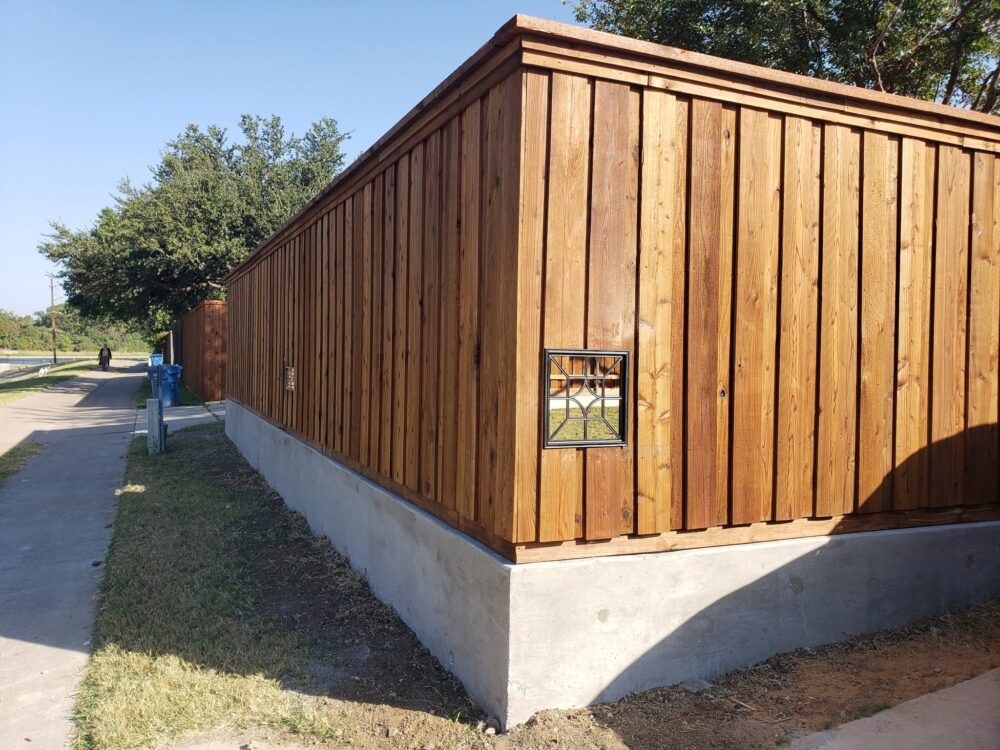
Essential Wood Fence Maintenance Tips for North Texas Homeowners
A consistent wood fence maintenance routine is the best way to prevent costly repairs and extend your fence’s lifespan. North Texas homeowners face unique challenges, including intense UV exposure, seasonal rainfall, humidity, and expansive clay soils that can affect fence stability.
The good news? Maintaining your wood fence doesn’t have to be complicated. A few preventive steps throughout the year can make a significant difference.
1. How Often Should You Clean Your Wood Fence?
Clean your wood fence at least once a year, preferably during spring or fall when temperatures are moderate. Regular cleaning removes dirt, mildew, pollen, and debris that can trap moisture against the wood.
For homeowners in The Colony, Frisco, Plano, and surrounding communities, spring cleaning is particularly helpful after winter weather and before summer heat arrives.
Follow these simple steps:
- Remove loose dirt and debris with a soft-bristle brush.
- Wash the fence using a mild, wood-safe cleaning solution.
- Rinse thoroughly with a garden hose at low pressure.
- Allow the wood to dry completely before applying any protective finish.
Avoid aggressive pressure washing, which can splinter wood fibers and damage the surface. If mildew appears, use a cleaner specifically formulated for exterior wood.
Regular cleaning also makes it easier to spot loose boards, cracks, and other issues before they become expensive problems.
2. When Should You Stain or Seal a New Wood Fence?
Stain or seal your new wood fence once the wood has dried sufficiently and the product manufacturer’s conditions are met. Depending on the lumber, weather, and finish, this may take several weeks or longer after installation.
A quality exterior stain helps protect wood from UV damage and moisture absorption. This is especially important in North Texas, where prolonged summer sunshine can cause untreated wood to fade, dry out, and crack.
Consider these protective options:
- Transparent sealers: Preserve the natural appearance of wood while providing moisture protection, although UV protection varies.
- Semi-transparent stains: Enhance the wood grain while offering color and UV protection.
- Solid-color stains: Provide greater color coverage and conceal weathering, but may require more preparation when recoating.
Many wood fences benefit from refinishing approximately every two to three years, although actual intervals depend on the product, sun exposure, and wood condition.
A simple water-drop test can help identify when maintenance may be needed. If clean, dry wood quickly absorbs sprinkled water instead of resisting it, inspect the finish and consider resealing.
3. How Can You Prevent Wood Fence Rot and Weather Damage?
Preventing wood fence rot starts with controlling moisture and keeping vegetation away from the fence. Wood that stays damp for extended periods is more vulnerable to decay, mold, and insect activity.
According to the U.S. Department of Agriculture’s Forest Products Laboratory, wood durability depends on factors including moisture exposure, wood species, and protective treatments.
Protect your fence by following these practices:
- Keep soil, mulch, and accumulated leaves from resting against fence boards.
- Trim shrubs and vines to improve airflow around the wood.
- Direct sprinkler heads away from fence panels.
- Check for standing water near fence posts after heavy rainfall.
- Replace damaged or rotting boards before deterioration spreads.
North Texas homeowners should also pay attention to drainage. Expansive clay soils throughout Collin and Denton Counties can swell when wet and shrink during dry periods, potentially contributing to fence post movement.
Proper drainage, secure post installation, and timely repairs help maintain the structural integrity of your fence.
4. What Fence Damage Should You Look for After North Texas Storms?
Inspect your wood fence after major storms and at least twice annually to identify problems before they worsen.
Strong winds, hail, and heavy rain can loosen fasteners, damage fence panels, and weaken posts. The National Weather Service identifies severe thunderstorms, damaging winds, and hail as significant weather hazards in North Texas.
During your inspection, look for:
- Loose, cracked, warped, or missing fence boards.
- Leaning posts or sections that move when gently pushed.
- Rusted nails, screws, hinges, or gate hardware.
- Soft, discolored wood near ground level.
- Gates that sag, drag, or no longer latch properly.
Pay particular attention to fence posts and gates, since these components experience considerable structural stress.
Small repairs, such as replacing a damaged picket or tightening hardware, can often prevent larger problems. If multiple posts are leaning or the fence appears unstable, professional evaluation is recommended.
5. How Long Can a Properly Maintained Wood Fence Last in North Texas?
A well-installed and properly maintained wood fence can often last 15 to 20 years or longer, depending on the wood species, construction quality, drainage, and environmental exposure.
Cedar is a popular choice for residential fencing because its natural characteristics provide resistance to decay and certain insects. Pressure-treated pine is another common option, offering protection through preservative treatment.
Frequently Asked Questions About Wood Fence Maintenance
Should I stain my cedar fence immediately after installation?
Not necessarily. New cedar should be sufficiently dry before staining. Follow your installer’s guidance and the stain manufacturer’s moisture and application requirements to ensure proper absorption and adhesion.
Is staining or painting better for a wood fence in Texas?
Exterior wood stain is often preferred because penetrating formulations can protect the wood while highlighting its natural grain. Paint offers a different appearance but may peel or blister when moisture becomes trapped beneath the coating.
Can I pressure wash my wood fence?
Yes, but excessive pressure can damage wood fibers and cause splintering. Gentle cleaning with a soft brush, appropriate wood cleaner, and low-pressure rinsing is generally safer.
What is the biggest threat to wood fences in North Texas?
Moisture exposure and intense sunlight are two major concerns. Repeated wetting and drying, UV exposure, and seasonal soil movement can contribute to cracking, warping, decay, and structural instability.
Protect Your Investment With My New Patio & Fence
Your wood fence adds privacy, character, and value to your outdoor living space. With regular cleaning, protective staining, routine inspections, and timely repairs, you can keep it looking its best through North Texas’s changing seasons.
Whether you’re planning a new wood fence or considering replacing an aging one, My New Patio & Fence is here to help homeowners throughout The Colony, Collin County, and Denton County create beautiful, lasting outdoor spaces.
Ready for a beautiful, durable wood fence? Contact My New Patio & Fence today to discuss your fencing project!