
Wood Fencing 101: The Installation Process Explained
You’ve decided a wood fence is right for your property. Maybe you’re seeking more privacy for weekend barbecues, trying to keep pets safely contained, or simply want to enhance your home’s curb appeal. Whatever your motivation, understanding the installation process helps you feel confident about the investment you’re making. At My New Patio and Fence, we’ve installed wood fencing throughout the region, and we know that informed homeowners make the best partners in creating outdoor spaces they’ll love for years to come.
The journey from bare yard to beautiful wooden boundary involves more planning and precision than most people realize. While you might be tempted to tackle this as a weekend DIY project, professional installation ensures your fence stands straight, stays strong, and complies with local regulations. Here’s what actually happens when experienced installers transform your property.
Planning Sets the Foundation
Before a single post goes in the ground, proper planning prevents costly mistakes. Professional installers start by carefully measuring your property lines, often requiring a recent survey to confirm exact boundaries. This prevents neighborly disputes and ensures your fence sits where it legally should. During this phase, installers also locate underground utilities through your local call-before-you-dig service—striking a buried gas line or electrical cable turns a routine project into an emergency.
The planning stage also involves selecting your wood type and style. Cedar and redwood offer natural rot resistance and beautiful grain patterns, while pressure-treated pine provides budget-friendly durability. Your installer should discuss these options based on your climate, budget, and aesthetic preferences. Additionally, they’ll help you navigate local building codes, which often dictate fence height, setback requirements, and whether you need a permit.
The Installation Unfolds in Stages
Installation day begins with marking post locations, typically spacing them six to eight feet apart for optimal stability. Installers use string lines and levels to ensure perfect alignment—this initial precision determines whether your fence looks professional or homemade.
Corner and gate posts go in first since they anchor the entire structure. Installers dig holes that extend below the frost line in your area, usually about two to three feet deep. The holes get filled with concrete that cradles each post, preventing the shifting and leaning that plague poorly installed fences. Quality installers use a level on multiple sides of each post and brace them in position while the concrete cures, which typically takes 24 to 48 hours.
Adding Rails and Pickets
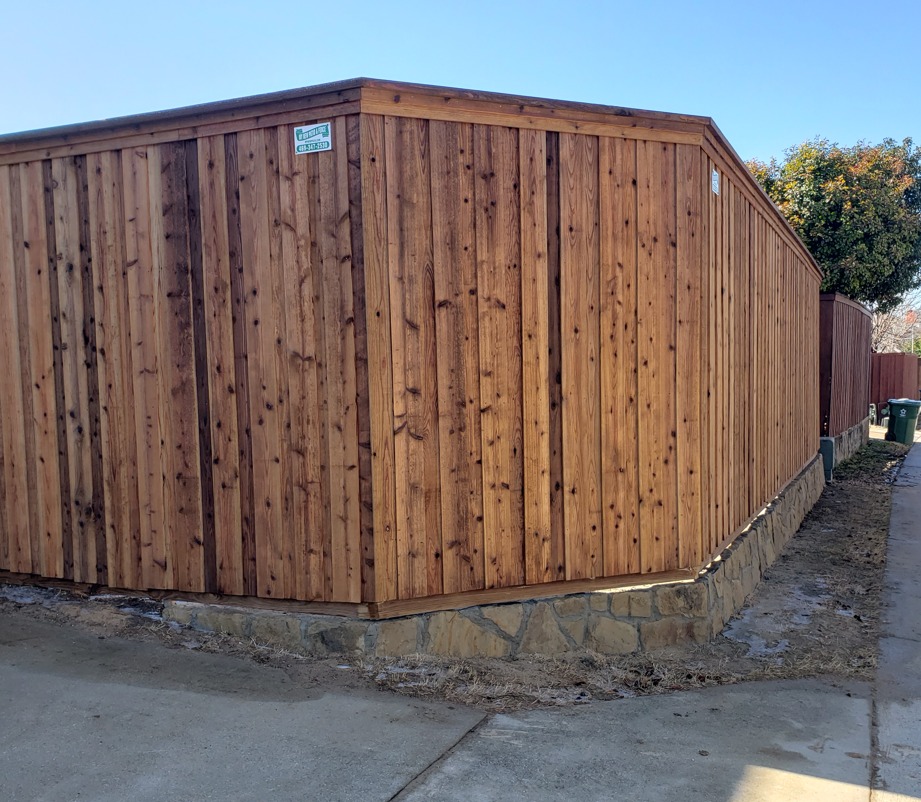
Once posts stand solid, horizontal rails connect them, creating the framework that supports your fence pickets. Rails typically run two or three per section, depending on fence height. Then comes the most visible part: attaching individual pickets. Professional installers maintain consistent spacing using specialized tools, creating the clean, uniform appearance that distinguishes quality work. They also ensure pickets hang at identical heights, following the ground’s natural contour or maintaining level lines based on your preference.
Finishing Touches Matter
The final stage involves adding post caps to prevent water damage, installing gates with proper hardware, and conducting a thorough quality check. Many professionals also apply an initial stain or sealant to protect your investment from the start, though some wood types benefit from weathering briefly before sealing.
Your Fence, Your Peace of Mind
A properly installed wood fence delivers decades of service when maintained appropriately. Understanding this process helps you recognize quality workmanship and ask informed questions during your consultation. The right wood fencing contractor walks you through every stage, addresses your concerns, and stands behind their work long after installation day.
My New Patio and Fence brings expertise, quality craftsmanship, and transparent communication to every project. Contact us today to schedule your consultation and take the first step toward the outdoor space you’ve been envisioning.